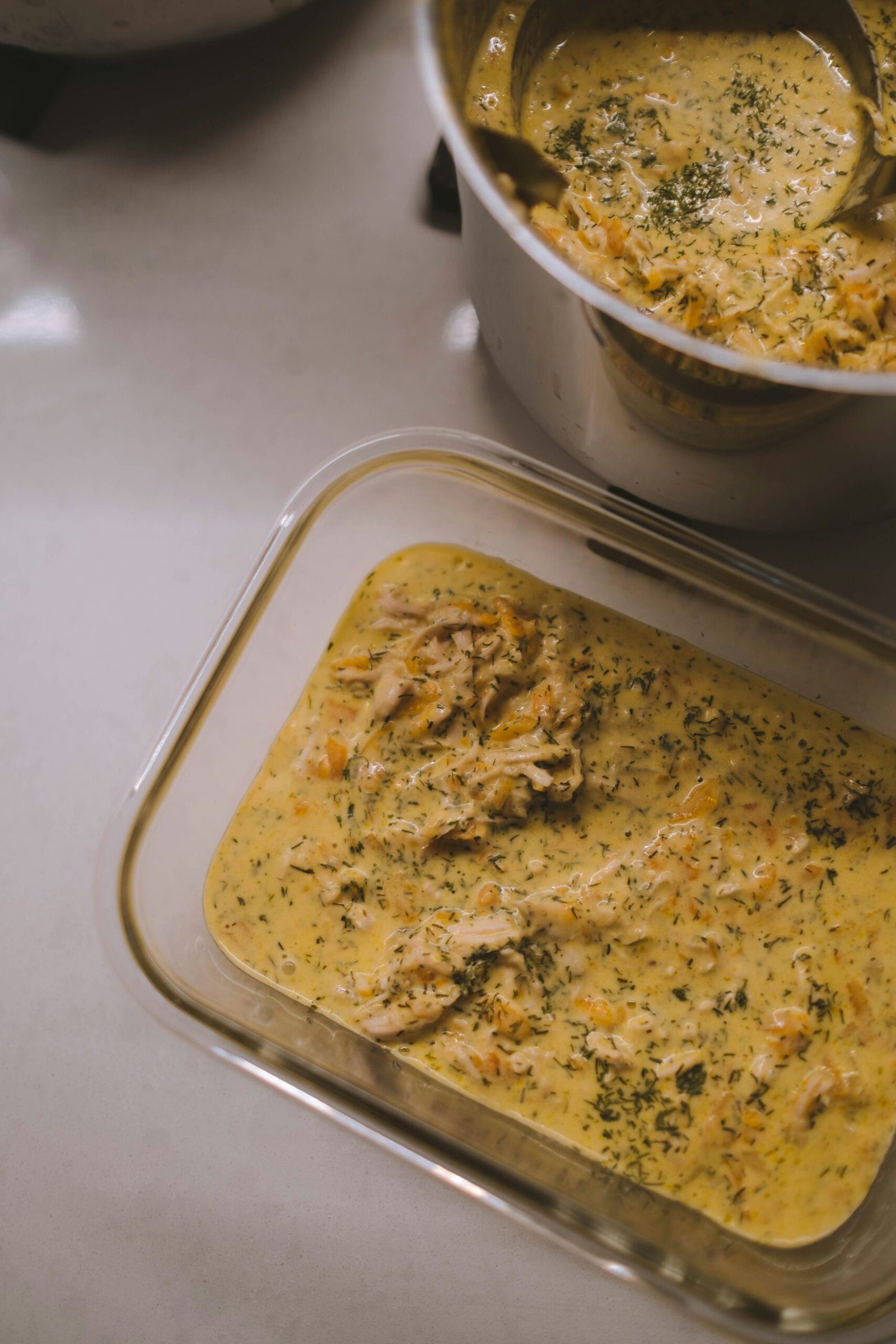
Introduction to Meal Prep
Meal prep, short for meal preparation, is the practice of planning and preparing meals in advance, typically for one week. This concept has gained significant traction in recent years, driven by a desire for healthier eating habits, increased productivity, and a more manageable lifestyle. As individuals face the challenges of balancing work, family, and personal life, meal prep emerges as a practical solution that streamlines weeknight dinners and lunches.
Organizing meals ahead of time often leads to a variety of benefits. Firstly, it saves considerable time during the week; by dedicating a few hours on a designated day to prepare meals, individuals can avoid the daily hassle of cooking. This approach not only facilitates a smoother weekday routine but also reduces the temptation to opt for unhealthy fast food or convenience meals that may be higher in calories and lower in nutritional value.
Moreover, meal prep significantly contributes to reducing stress associated with last-minute cooking or deciding what to eat. It alleviates the daily uncertainty of meal choices, empowering individuals to feel more in control of their dietary habits. By having prepared meals on hand, one can spend less time worrying about what to cook and more time enjoying mealtime with family or engaging in other activities. Additionally, meal prepping encourages healthier food choices, as individuals take the time to plan their meals consciously, ensuring that they incorporate a balanced mix of nutrients, portion control, and diverse ingredients.
The impacts of meal prep extend beyond physical health, as organizing meals can also foster a sense of mental clarity and well-being. By structuring their meal choices in advance, individuals may find an increased sense of accomplishment and reduced anxiety, paving the way for a healthier mindset and improved overall quality of life. This underscores the dual influence of meal prep on both physical and mental health.
Physical Health Benefits of Meal Prep
Meal preparation has emerged as a powerful strategy for individuals seeking to enhance their physical health. By planning and preparing meals in advance, individuals can significantly improve their ability to maintain a balanced diet. This proactive approach ensures that individuals have nutritious options readily available, reducing the likelihood of resorting to unhealthy fast-food choices during busy days. When meals are prepped and portioned appropriately, it becomes easier to manage dietary intake while ensuring a diverse range of nutrients is included.
One of the key benefits of meal prep is the control it provides over portion sizes. By measuring out individual servings, individuals can avoid overconsumption, which is a common issue when meals are hastily prepared or eaten in a rush. This practice not only aids in weight management but also promotes mindfulness around eating habits. Consistent adherence to appropriate portion sizes can lead to a sustained energy balance and contribute to overall well-being.
Additionally, meal prepping can significantly reduce food waste, a prevalent issue in many households. By planning meals, individuals can create shopping lists based on their requirements, ensuring that they purchase only what is needed. This leads to a more efficient use of ingredients and less spoilage, ultimately resulting in more sustainable cooking practices. Moreover, decreasing food waste helps to lower the ecological impact associated with the production and disposal of food products.
In essence, engaging in the practice of meal prep promotes healthier eating patterns by facilitating better choices, managing portions effectively, and reducing waste. These physical health benefits not only foster an improved diet but also contribute to long-term changes in lifestyle that align with personal nutritional goals. Making meal prep a regular habit can serve as a cornerstone for improved physical health, leading to a more balanced and fulfilling life.
Mental Health Benefits of Meal Prep
Meal prepping is often associated with physical health and nutritional advantages; however, its mental health benefits are equally significant. One of the primary psychological advantages of engaging in meal preparation is the reduction of anxiety and decision fatigue. In today’s fast-paced environment, individuals frequently face an overwhelming number of choices. By dedicating time to plan and organize meals in advance, one can alleviate the stress often associated with daily food decisions. This structured approach fosters a sense of control over one’s eating habits, contributing positively to mental well-being.
Furthermore, meal prepping cultivates a sense of accomplishment. Completing a series of tasks, such as grocery shopping, cooking, and portioning meals, can enhance feelings of productivity. This achievement contributes positively to self-esteem, as individuals recognize their efforts in prioritizing their health. Regularly engaging in meal prep can lead to the establishment of a routine, which is known to provide emotional stability and predictability, factors that are beneficial to mental health.
The correlation between the consumption of nutritious foods and improved mood cannot be overlooked. Diets rich in whole foods, vegetables, fruits, and lean proteins have been shown to positively influence mood and energy levels. When individuals prepare these types of meals in advance, they are more likely to make healthier choices throughout the week. Nutrient-dense meals contribute to enhanced cognitive functions and overall mental clarity, reducing symptoms of anxiety and depression. By ensuring access to healthy options, meal prep empowers individuals to nourish both their bodies and minds, promoting a holistic approach to well-being.
In summary, the practice of meal prepping extends beyond physical nourishment; it plays an essential role in supporting mental health. By reducing decision fatigue, fostering a sense of accomplishment, and facilitating healthier eating habits, meal preparation emerges as a powerful tool for enhancing overall psychological well-being.
Key Ingredients for Efficient Meal Prep
Meal prepping can enhance both physical and mental health significantly, and selecting the right ingredients is crucial for efficient preparation. Incorporating a wide variety of items not only caters to diverse dietary preferences but also ensures balanced nutrition. Here, we outline key ingredients that should be staples in any meal prep routine.
Whole Grains: Whole grains such as quinoa, brown rice, and farro are excellent bases for many meals. They are rich in fiber, protein, and essential nutrients, supporting digestive health and providing sustained energy. Additionally, they can be easily cooked in bulk and used across various dishes, making them remarkably versatile.
Lean Proteins: Incorporating lean proteins like chicken breast, turkey, tofu, and legumes is vital for muscle repair and growth. These ingredients offer ample protein while minimizing excess fat. For those following a vegan or vegetarian diet, options such as lentils, chickpeas, and black beans are not only protein-rich but also provide valuable vitamins and minerals.
Vegetables: A colorful variety of vegetables is essential for any meal prep plan. Leafy greens like spinach and kale are packed with vitamins A, C, and K, while cruciferous vegetables like broccoli and cauliflower provide antioxidants and support overall health. They can be roasted, steamed, or added raw to salads, offering versatility to different meal types.
Healthy Fats: Healthy fats, such as avocados, nuts, and olive oil, are crucial for hormone regulation and satiety. They enhance flavors and contribute to heart health. Including these fats in moderation can also help in the absorption of fat-soluble vitamins, making them indispensable for a balanced diet.
By stocking up on these versatile ingredients, individuals can significantly simplify their meal prep process, ensuring nutritious meals are readily available while accommodating various dietary preferences. This well-rounded approach not only saves time but also promotes healthier choices.
Quick Meal Prep Ideas for Meat Eaters
For individuals who enjoy a meat-centric diet, weekly meal prep can be an effective method for ensuring balanced nutrition while saving time throughout the week. By preparing meals in advance, meat eaters can focus on incorporating protein-rich foods alongside a variety of vegetables and whole grains, contributing to overall health and well-being.
One efficient meal prep idea is to cook a batch of grilled chicken breasts, which are not only easy to prepare but also highly versatile. Simply season the chicken with your favorite herbs and spices, grill them in bulk, and store them in airtight containers. These grilled chicken breasts can be added to salads, wraps, or served with whole grains such as quinoa or brown rice, ensuring a nutritious meal that can easily be enhanced with vegetables.
Another excellent option is preparing a hearty beef or turkey chili. By cooking a large pot over the weekend, it can provide several meals throughout the week. Utilize a mix of beans, tomatoes, bell peppers, and lean ground meat to create a protein-packed dish that is both satisfying and rich in nutrients. Portion the chili into containers for easy reheating during busy weekdays.
To save time, investing in a slow cooker can be beneficial. Dishes such as pulled pork or chicken can be marinated and placed in the slow cooker in the morning, allowing for tender, flavorful meat by dinnertime. This method allows the flavors to meld while freeing up time for other activities.
When it comes to storage, using clear containers aids in quickly identifying meals throughout the week. Labeling each container with the contents and date can streamline the process of meal selection. In addition, consider freezing individual portions of cooked proteins and grains to keep meals fresh and ready for future cravings.
By implementing these meal prep strategies, meat eaters can effectively manage their dietary preferences while maintaining a healthy lifestyle. Simple recipes and efficient cooking methods can provide a wealth of nutritious options, making weekly meal prep a beneficial practice for everyone. In conclusion, the right approach to meal prep can enhance daily life by simplifying meal choices and promoting overall health.
Quick Meal Prep Ideas for Vegans
Meal prepping is an effective strategy for individuals following a vegan diet, as it not only saves time during the week but also ensures a balanced intake of essential nutrients. By integrating a variety of legumes, grains, fruits, and vegetables, one can create diverse and nutrient-dense meals that cater to dietary needs without compromising on taste.
A great starting point is to incorporate a range of legumes, such as chickpeas, lentils, and black beans, into every meal prep session. These protein-rich foods can be prepared in bulk and used in salads, grain bowls, or even blended into hearty soups. For instance, a simple lentil soup can be made by simmering lentils with diced tomatoes, carrots, celery, and spices, yielding a satisfying dish that serves multiple portions. Likewise, chickpeas can be roasted with a medley of spices for a crunchy snack or topping for salads.
Grains also play a crucial role in vegan meal preparation. Options like quinoa, brown rice, and farro are not only filling but also offer a range of nutrients. Preparing a large batch of quinoa at the start of the week allows for easy incorporation into various meals; it can be mixed with sautéed vegetables for a stir-fry, or served cold in a salad with avocado and cherry tomatoes. Additionally, using whole grains in wraps or bowls creates the foundation for balanced meals while aiding in digestion.
Fruits and vegetables should not be overlooked; their versatility can enhance any meal prep plan. Smoothies can be an easy way to incorporate leafy greens such as spinach or kale, along with fruits like bananas and berries. Chopping a variety of vegetables for stir-fries or roasted trays can provide colorful and nutritious options throughout the week, allowing creativity and variety, which are essential in avoiding dietary monotony.
By emphasizing the importance of meal variety and efficient planning, vegans can thrive on a diet that is both nourishing and enjoyable, ultimately enhancing physical and mental health.
Quick Meal Prep Ideas for Vegetarians
Vegetarian meal prep can be both nourishing and enjoyable, offering a variety of flavors while ensuring a balanced intake of nutrients. Leveraging seasonal produce is a great strategy to infuse meals with freshness and taste. For example, during the fall, root vegetables such as sweet potatoes and carrots can be roasted with spices to create a hearty base for many dishes. In the summer, incorporating a colorful array of bell peppers, tomatoes, and zucchini adds vibrancy and can elevate simple meals.
Plant-based proteins are essential for maintaining a balanced vegetarian diet. Quinoa and lentils are versatile staples that can be cooked in large batches and utilized throughout the week. For instance, preparing a quinoa salad featuring chickpeas, cucumbers, and a zesty lemon dressing creates a refreshing meal. Similarly, lentil soups can be made in advance, allowing the flavors to meld while providing a warming dish that can be enjoyed over several days.
Dairy products can also play a role if included in one’s vegetarian diet. For those who consume dairy, Greek yogurt works well in dressings or as a base for smoothies, adding creaminess and protein. Additionally, cheeses like feta or goat cheese can enhance salads or grain bowls, lending a tangy flavor that complements the earthiness of vegetables.
To create balanced meals, consider implementing these core components: whole grains, a variety of vegetables, and healthy fats. A simple method is to prep grain bowls featuring brown rice or farro, topped with roasted veggies and a drizzle of olive oil or avocado. This ensures a satisfying combination of nutrients while allowing for various toppings throughout the week.
Incorporating these meal prep ideas into a vegetarian diet not only saves time but also enhances overall health and wellness. Through intentional choices, it is possible to cultivate a variety of delicious and satisfying dishes that align with a vegetarian lifestyle.
Tips for Successful Meal Prep
Weekly meal prep is a powerful practice that can enhance both physical and mental health. To ensure that you maximize the benefits of your meal prepping, it is important to adopt effective strategies and tools tailored to your dietary preferences. Here are some practical tips to help you create a successful meal prep routine.
First and foremost, investing in quality meal prep tools can significantly streamline the process. Essential items include a set of durable storage containers that are microwave and dishwasher safe, a good chef’s knife for easy chopping, and reliable kitchen scales for precise measurements. You might also consider a slow cooker or instant pot, which can simplify the cooking process and yield large batches of meals with minimal effort.
Batch cooking is a crucial technique to incorporate into your meal prep routine. Preparing large quantities of staple foods such as quinoa, brown rice, or roasted vegetables can provide a solid foundation for various meals throughout the week. Cooking proteins like chicken, tofu, or legumes in advance also enables quick assembly of nutritious dishes. Moreover, incorporating diverse seasonings and marinades can enhance flavor while keeping meals interesting.
Proper food storage practices are integral to meal prep success. After cooking, allow foods to cool before transferring them to containers to maintain freshness. Label your containers with the date and contents for easy identification, and store meals in the refrigerator or freezer depending on how soon you plan to consume them. Aim to use freezer-safe containers for long-term storage, so you can enjoy your meals at a later date.
Lastly, scheduling dedicated meal prep sessions is essential. Choose a day and time that works best for you, whether it’s on weekends or specific evenings. Consistency in scheduling can help establish a routine, making meal prep a habitual activity rather than a daunting task. By implementing these strategies, you will cultivate a functional meal prep system that not only saves time but also supports your health and well-being.
Overcoming Common Meal Prep Challenges
Embarking on a weekly meal prep journey can be highly beneficial for both physical and mental health. However, many individuals encounter various challenges that may pose significant obstacles. One of the most prevalent issues is time constraints. With busy schedules, it often feels daunting to set aside a few hours for meal preparation. To combat this, individuals can dedicate specific time slots in their calendar, treating meal prep as a non-negotiable appointment. This scheduling practice can help facilitate consistency and ensure the necessary time is allocated.
Another frequent challenge is inadequate planning. Without a clear strategy, it is easy to become overwhelmed and lose motivation. To enhance the meal prep experience, individuals can start by creating a weekly menu. Planning meals in advance allows for better organization regarding grocery shopping and meal preparation. Furthermore, keeping a list of favorite recipes can ease the decision-making process and introduce variety into the diet, making the overall experience enjoyable.
Burnout is also a common concern when engaging in meal prep. Repeating the same meals week after week can lead to a lack of enthusiasm. To avoid this, individuals should aim to incorporate seasonal ingredients, which not only boosts flavor but also enhances nutritional value. Experimenting with new recipes or themes, such as international cuisines, can reignite passion and creativity in the kitchen.
Lastly, having an accountability partner can be advantageous. Sharing meal prep goals with a friend or family member fosters motivation and support. By overcoming these common challenges, individuals can establish a sustainable meal prep routine that nourishes both the body and mind, paving the way for lasting health benefits.